 Fabrics are woven into the very fabric of human history. From the early days of civilization to the modern age of advanced textiles, the evolution of fabrics tells the story of human ingenuity, trade, technology, and culture. As a key component of daily life, fabrics have played an essential role in shaping societies, economies, and identities. Let’s take a journey through the ages to explore the fascinating history of fabrics and how they have evolved into the modern materials we use today.
Ancient Civilizations: The Birth of Textile Innovation
The earliest known textiles date back to around 7000 BCE in the Neolithic period, where people first began using natural fibers to create simple fabrics. These fabrics were typically made from plant fibers like flax and hemp or animal fibers like wool and silk. Ancient people in the Middle East and Asia were among the first to master the process of weaving and spinning, laying the groundwork for the textile industry as we know it today.
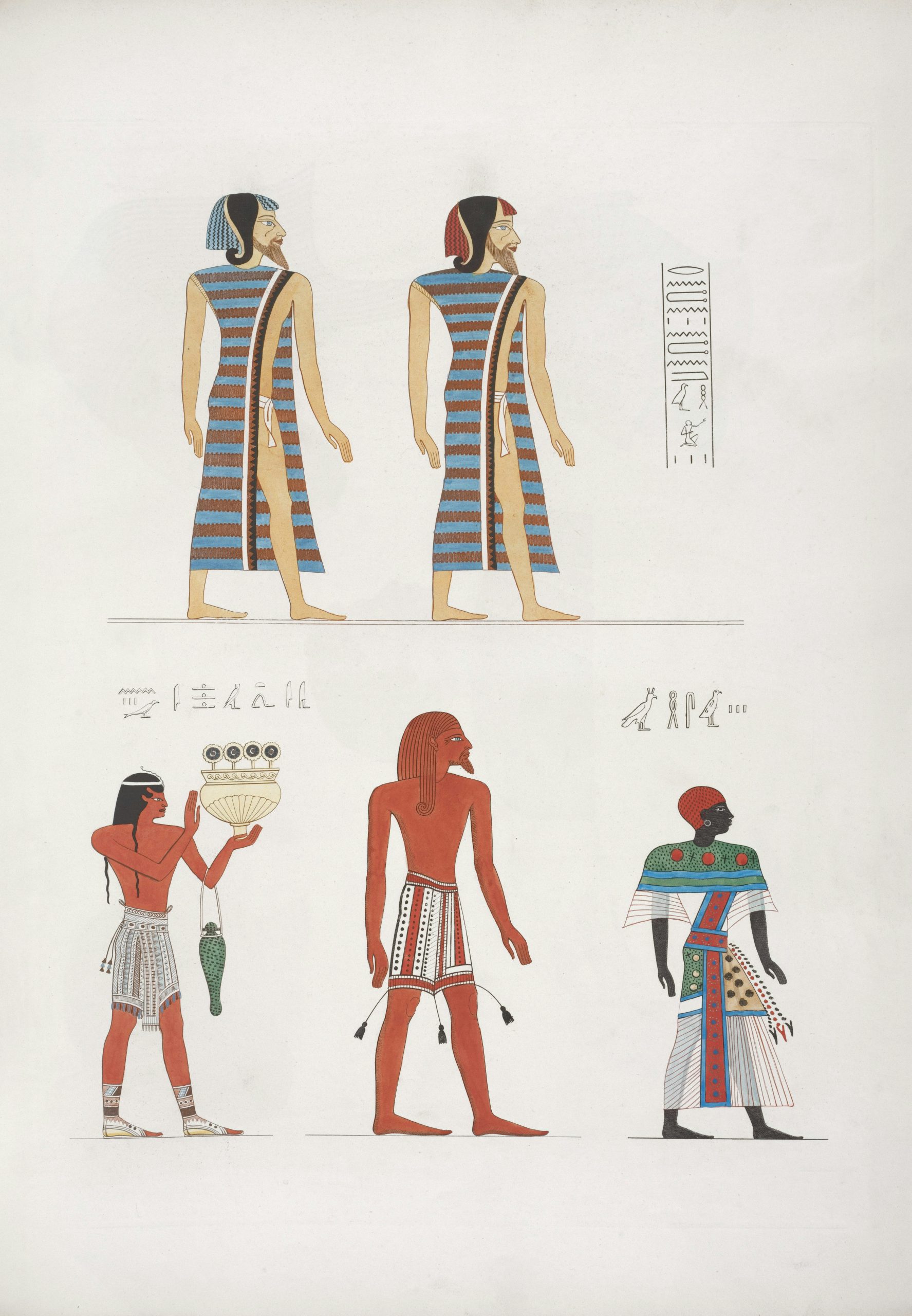
In ancient Egypt, linen made from the flax plant was the fabric of choice. Linen was used in everything from clothing to burial wraps, with the ancient Egyptians preferring it for its cool, breathable properties in their hot, dry climate. The process of making linen involved harvesting flax plants, spinning the fibers into thread, and weaving them into cloth. Linen was also seen as a symbol of purity and was often used in religious ceremonies.
China was another major player in the history of fabric, as it was the birthplace of silk. Silk production dates back as early as 3000 BCE, and it quickly became a prized commodity. The ancient Chinese perfected the process of sericulture, the cultivation of silkworms for their cocoons, which were then unraveled and spun into fine threads. Silk was so valuable that it became a symbol of wealth and status, and its trade along the Silk Road connected the East with the West for centuries.
The Rise of Wool and Cotton: Textile Trade Expands
As civilizations grew, so did the variety of fabrics they produced. In the Mediterranean region, wool became a dominant fabric, particularly in the ancient Greek and Roman empires. Wool was valued for its warmth and durability, making it an ideal fabric for the colder European climates. It was used extensively for clothing, blankets, and military garments.
At the same time, cotton became increasingly popular in India and the Middle East, where it was cultivated and processed into soft, breathable fabrics. Cotton was easier to work with than linen and more comfortable to wear in hot climates, which contributed to its widespread use in regions like India, Persia, and Egypt.
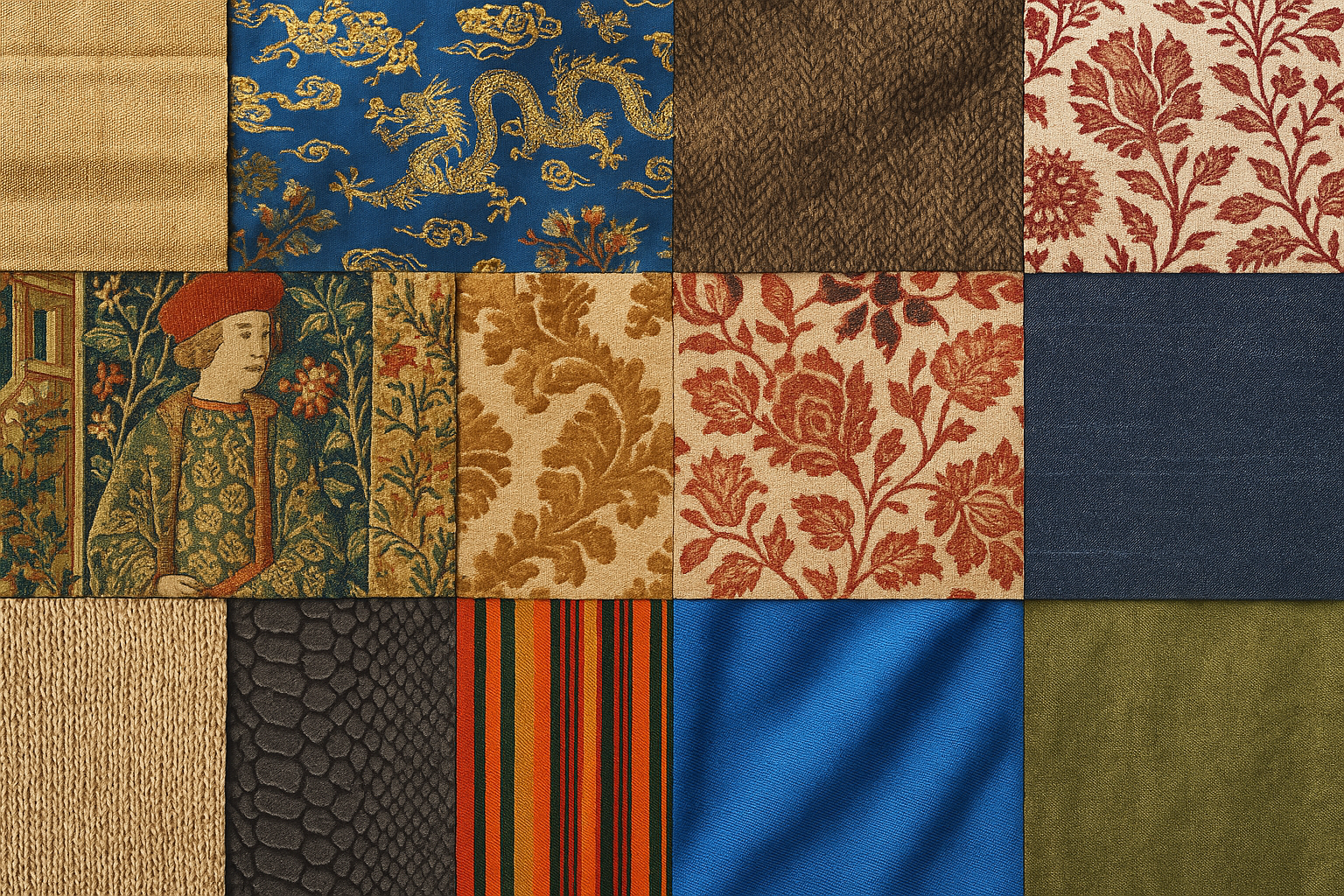
By the Middle Ages, fabric production had become more localized in Europe, with the rise of guilds dedicated to the craft of weaving and textile production. The wool industry, particularly in England, became a driving force in the economy, and fabric such as tapestries and velvet became highly sought after by the nobility.
The Industrial Revolution: The Birth of Mass Fabric Production
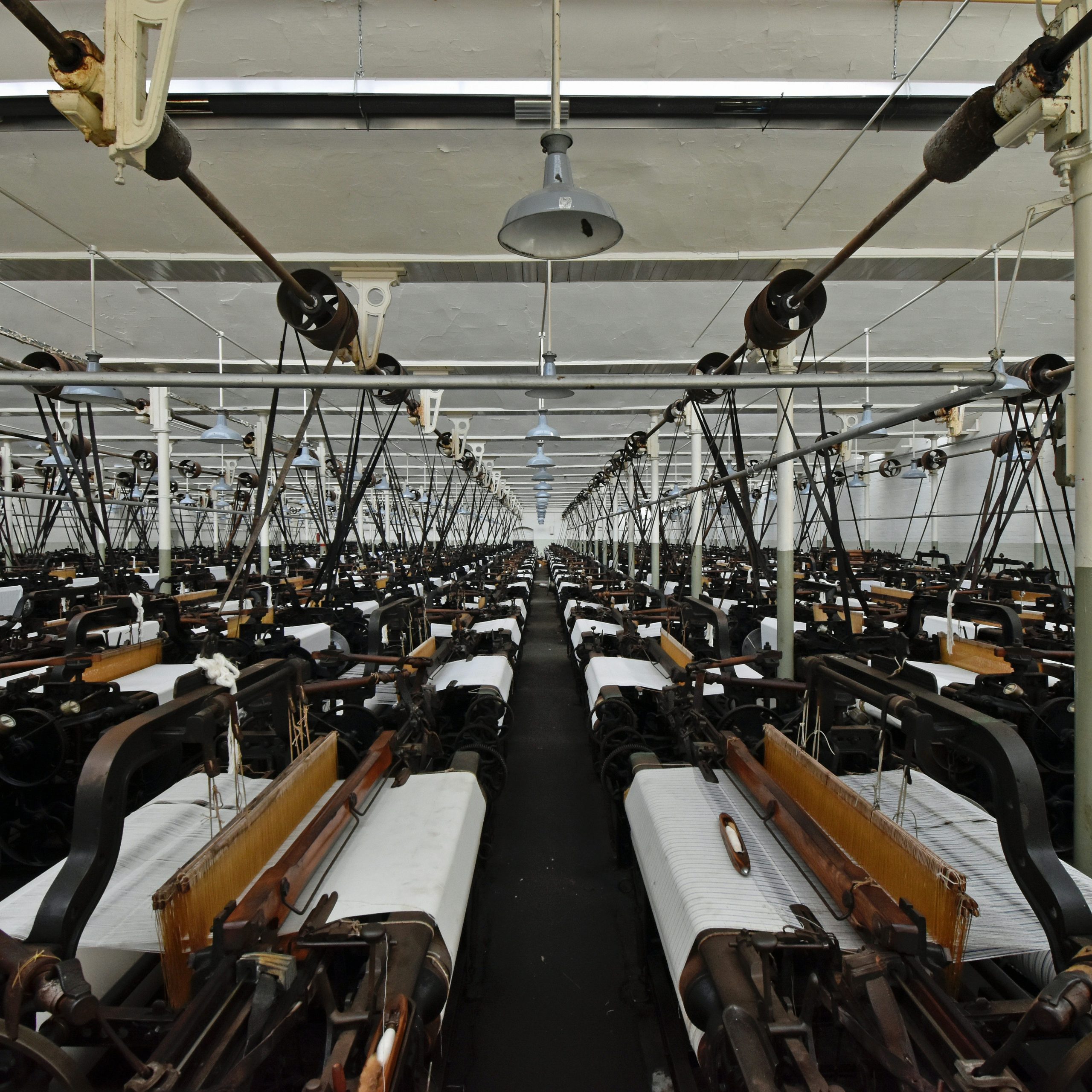
The Industrial Revolution in the late 18th century transformed the textile industry. The introduction of mechanized tools and the invention of machines like the spinning jenny, power loom, and cotton gin revolutionized fabric production. These innovations allowed for the mass production of fabrics, making textiles more affordable and accessible to people from all walks of life.
The power loom, invented by Edmund Cartwright in 1785, greatly increased the speed of fabric weaving. It replaced manual looms and allowed for the creation of textiles in large quantities, especially cotton fabrics, which had become one of the most widely used materials in Europe and America. As factories grew, textiles were mass-produced, and fashion began to shift toward ready-to-wear garments rather than handmade clothing.
In the 19th century, the rise of synthetic dyes also had a major impact on the fabric industry. Synthetic dyes, developed by chemists like William Perkin, allowed for a broader range of vibrant colors and patterns in fabrics, leading to new trends and fashions in clothing and home décor.
Modern Fabrics: Innovations and Sustainability
Today, the fabric industry has reached new heights with the development of synthetic fabrics, eco-friendly textiles, and high-tech materials. The invention of synthetic fibers like nylon, polyester, and spandex in the 20th century revolutionized fashion and textiles. These fibers are strong, durable, and easy to care for, making them ideal for a wide range of applications, from activewear to home furnishings.
Polyester, introduced in the 1940s, is one of the most common synthetic fibers used today. It is inexpensive to produce, resistant to wrinkles, and can be blended with natural fibers like cotton to create fabrics that are both comfortable and durable. Nylon, invented in the 1930s, was the first synthetic fiber made entirely from petrochemicals. It is widely used in everything from clothing and accessories to industrial applications like ropes and parachutes.
But the demand for more sustainable fabrics has risen in recent years, as people become increasingly aware of the environmental impact of textile production. Organic cotton, hemp, and bamboo are now popular alternatives to traditional fabrics, as they require fewer chemicals and water to produce. Fabrics like Tencel (made from sustainably sourced wood pulp) and recycled polyester are also gaining traction as more eco-conscious options.
In addition to sustainable fibers, the modern fabric industry has seen groundbreaking developments in smart textiles and wearable technology. Fabrics are now being engineered to do more than just look good or provide comfort. Smart fabrics, such as those used in athletic wear, can regulate body temperature, monitor heart rate, or even charge electronic devices. Self-cleaning fabrics and materials with antimicrobial properties are also becoming increasingly common, especially in activewear and medical textiles.
Moreover, 3D printing has introduced a whole new world of fabric creation. Designers can now print fabrics layer by layer, enabling the production of complex, customized patterns and textures that would be impossible to achieve through traditional weaving or knitting methods. This opens up exciting possibilities for both fashion and functional textiles in the future.
The Future of Fabrics: Toward a Sustainable and High-Tech Future
Looking ahead, the future of fabrics is undoubtedly intertwined with the ongoing push for sustainability and technological innovation. As consumers continue to demand more sustainable products, the textile industry is under pressure to reduce its environmental impact. Innovations such as biodegradable fabrics, closed-loop recycling systems, and plant-based synthetic fibers are helping the industry shift toward a more sustainable future.
At the same time, the rapid development of advanced textiles, including fabrics that can respond to environmental conditions or even heal themselves, suggests that the future of fabric could be far beyond what we imagine today. Smart textiles, in particular, are expected to play a significant role in wearable tech, healthcare, and even the automotive and aerospace industries.
Conclusion
From the ancient linen of Egypt to today’s smart fabrics and eco-friendly textiles, the history of fabrics is a testament to human innovation and creativity. As the fabric industry continues to evolve, it will undoubtedly continue to influence the way we live, work, and interact with the world around us. With each new invention, fabric remains at the heart of our daily lives, blending function, form, and tradition with cutting-edge technology to create the textiles of tomorrow.