
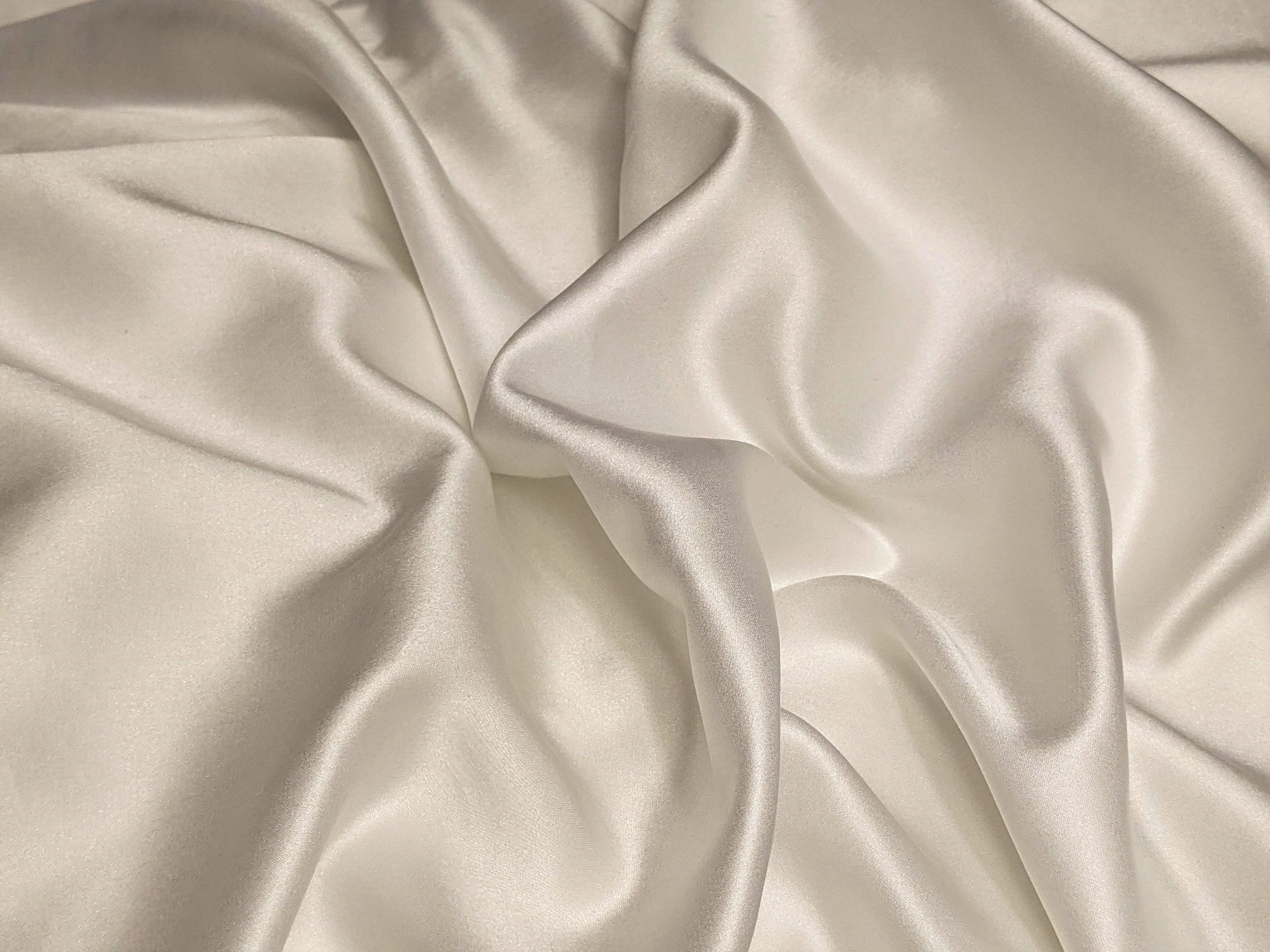
 Silk, often referred to as the “queen of textiles,” has long been associated with luxury, opulence, and sophistication. Its shimmering, soft, and lustrous qualities have made it a prized material for various applications, including fashion, home decor, and upholstery. When it comes to upholstery, silk fabrics bring an unrivaled sense of elegance and grandeur to any space, transforming it into a haven of luxury. This essay explores the characteristics of silk fabrics, their history, advantages, and best practices for using silk in upholstery.
Characteristics of Silk Fabrics
Silk is a natural fiber produced by silkworms, primarily the mulberry silkworm. Its unique properties make it stand out in the world of textiles:
- Softness: Silk is exceptionally soft and smooth to the touch, making it a perfect choice for upholstery where comfort is paramount.
- Luster: The natural sheen of silk is incomparable. It reflects light in a way that adds depth and richness to the fabric, creating an aura of luxury.
- Durability: Although silk is delicate to the touch, it is surprisingly durable. When properly cared for, silk upholstery can last for years.
- Temperature Regulation: Silk has excellent breathability, keeping you cool in summer and warm in winter. This makes it a comfortable choice for upholstered furniture.
- Dyeability: Silk takes dye exceptionally well, allowing for a wide range of colors and patterns to suit any interior design.
History of Silk in Upholstery
The use of silk in upholstery dates back centuries. In ancient China, where silk was first developed, it was used not only for clothing but also for creating luxurious furnishings. As the Silk Road facilitated the spread of silk across the globe, it found its way into the upholstery of aristocratic homes in Europe. During the Renaissance, silk upholstery became a symbol of wealth and status. Elaborate silk brocades and damasks adorned the furniture in the palaces of Europe’s elite.
In the 18th century, the popularity of silk upholstery continued to grow. Rococo and Baroque styles embraced silk’s opulence, and it became a staple in royal courts and wealthy households. The tradition persisted into the 19th century, as neoclassical designs incorporated silk, giving furniture a timeless, elegant appeal.
Advantages of Silk Upholstery
- Elegance: Silk is unparalleled in its ability to imbue furniture with an aura of elegance and luxury. Its luster and softness create an inviting atmosphere.
- Versatility: Silk’s dyeability and versatility allow it to fit into various interior design styles, from classic to contemporary.
- Comfort: Silk upholstery offers a sumptuously comfortable seating experience, making it ideal for sofas, chairs, and cushions.
- Durability: With proper care and maintenance, silk upholstery can withstand the test of time, ensuring that your investment remains valuable.
Best Practices for Using Silk in Upholstery
- Selection: When choosing silk for upholstery, consider the space’s function. Silk may be best suited for formal living rooms, sitting areas, or bedrooms.
- Color and Pattern: Opt for colors and patterns that complement your interior design. Consider the interplay of light in the space when choosing silk with a particular luster.
- Maintenance: Regularly vacuum and dust silk upholstery to prevent dirt and debris from settling into the fabric. Be cautious with spills, as silk can be sensitive to liquids.
- Professional Upholstery: Seek professional upholsterers with experience in working with silk fabrics to ensure a flawless finish.


